
7 Most Common Toyota Repairs and How to Prevent Them
Toyota vehicles are known for dependability, strong resale value, and long-lasting performance. Many drivers choose Toyota because they want a vehicle that can handle daily commutes, family errands, road trips, and years of regular use. Even so, every vehicle needs maintenance, and some issues can develop over time if small warning signs are ignored.
Preventive care is one of the best ways to reduce repair costs and keep your Toyota running smoothly. According to Consumer Reports, Toyota had the highest Predicted Reliability rating in 2025, scoring 66 out of the highest possible score of 100. That strong rating is encouraging, but it does not replace routine inspections, fluid changes, tire care, and timely service. In this article, we'll look at the most common Toyota repairs and how to prevent them.
1. Brake Wear Can Lead to Stopping Problems
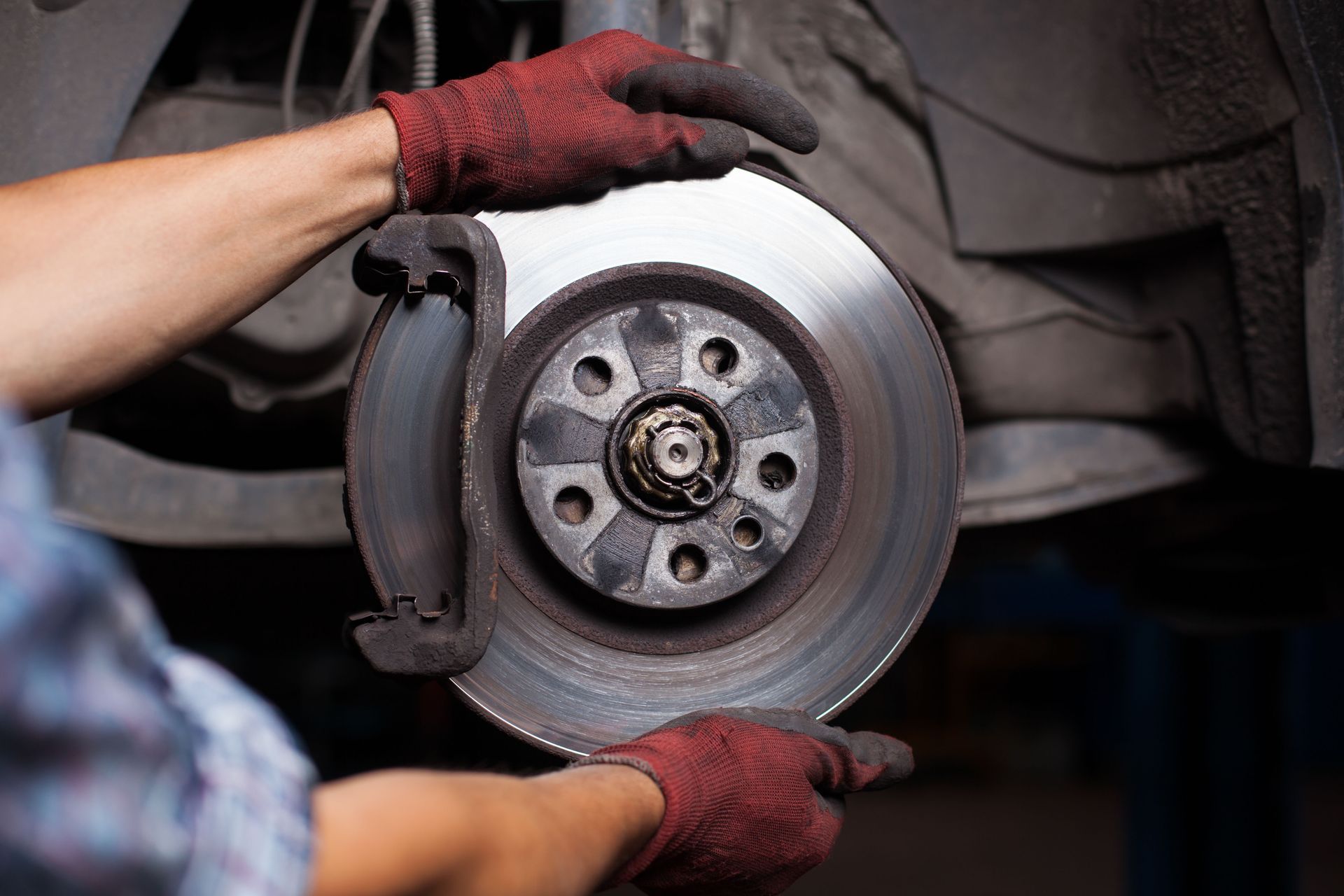
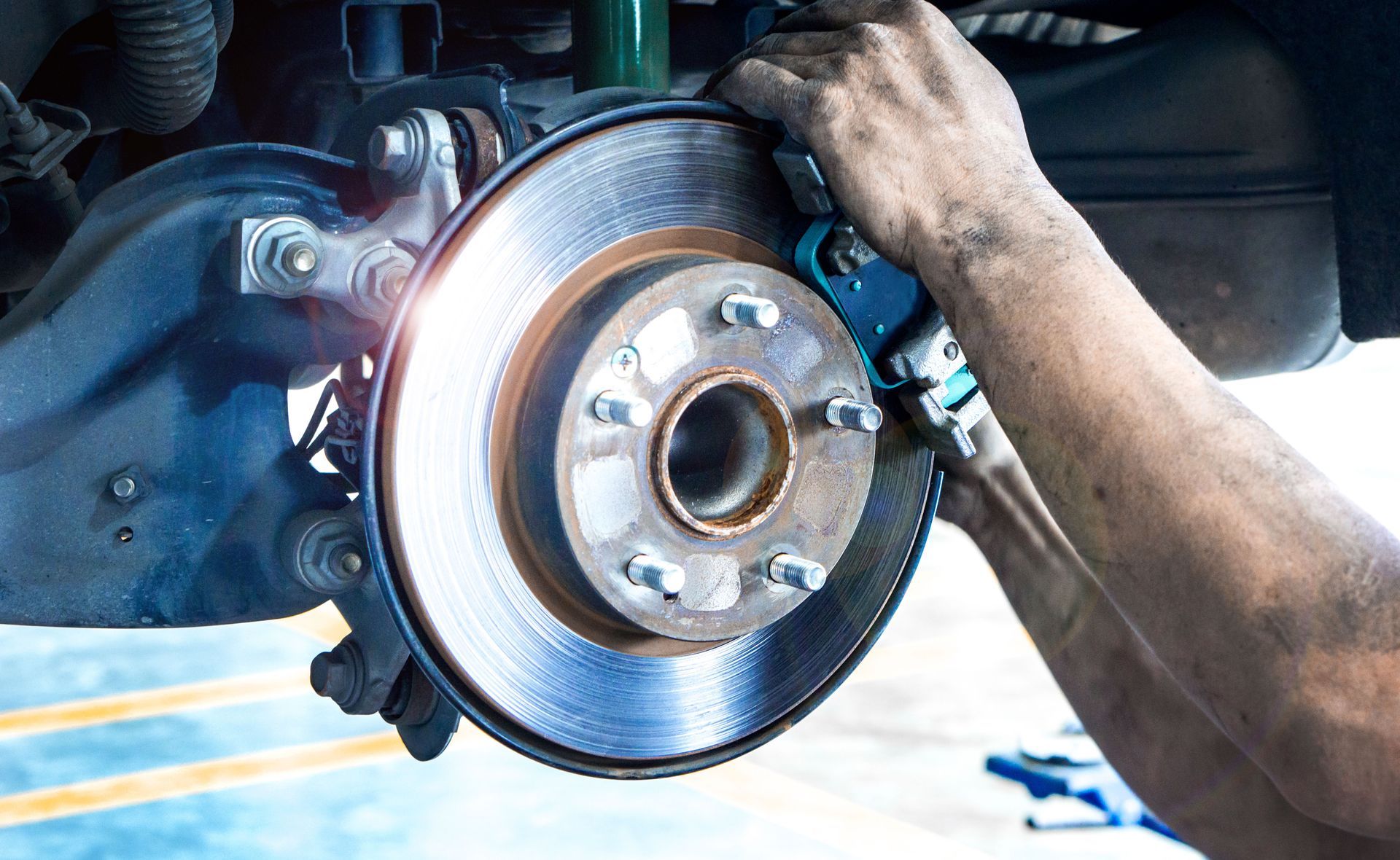
Brake wear is one of the most common issues on any vehicle, including Toyota models. Brake pads, rotors, calipers, and brake fluid all play a role in safe stopping. Over time, pads wear down from regular use, especially if you drive in heavy traffic, tow cargo, or make frequent short trips.
Common warning signs include squealing, grinding, vibration while braking, a soft brake pedal, or longer stopping distances. Ignoring these symptoms can lead to more expensive Toyota repairs because worn pads may damage the rotors or other brake components.
You can help prevent brake problems by scheduling regular brake inspections and replacing pads before they wear too low. Avoid hard braking when possible, keep enough distance between vehicles, and have the brake fluid checked according to your vehicle's maintenance schedule.
2. Engine Filter Problems Can Affect Performance
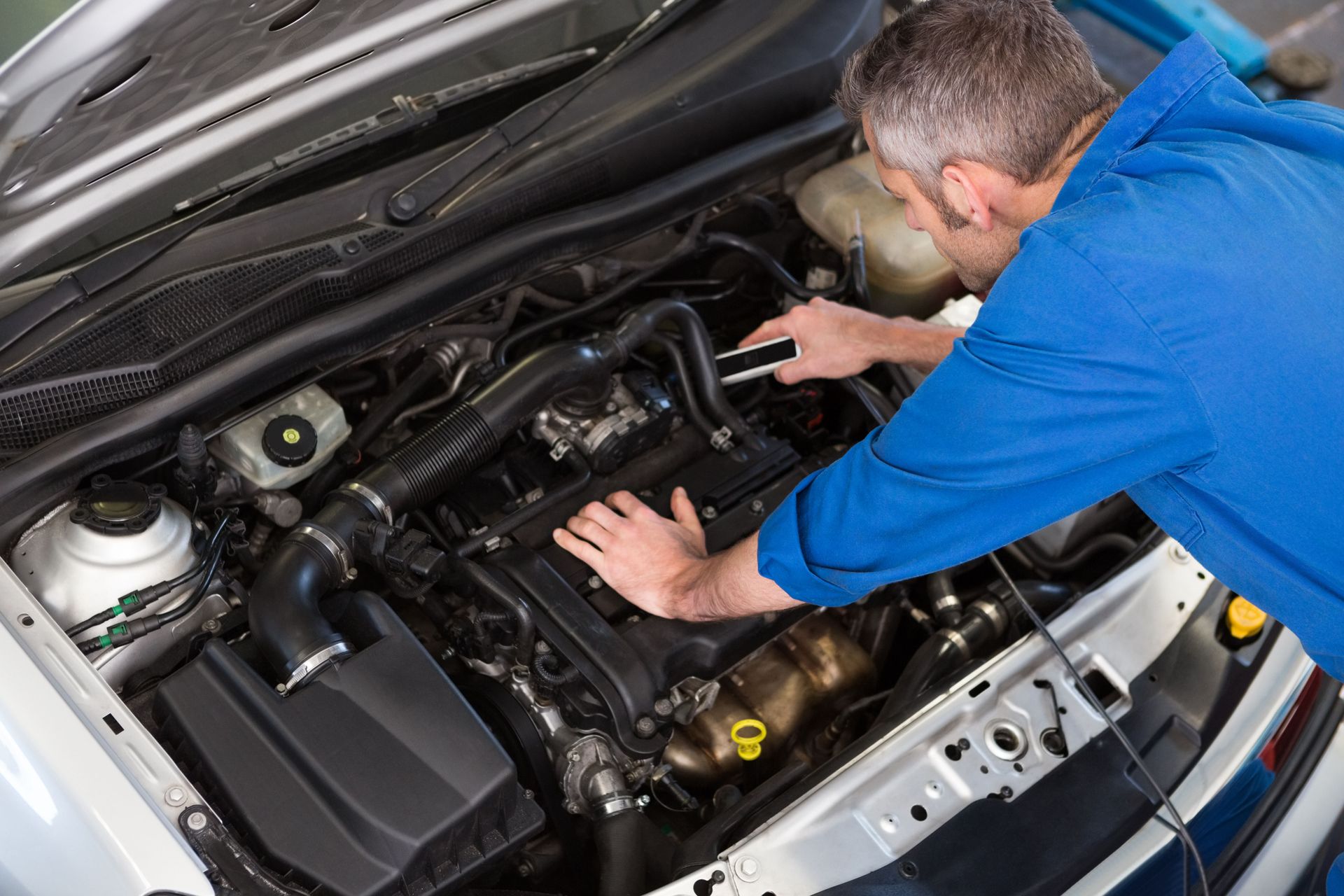
Engine air filters and cabin filters are often overlooked, but they play an important role in keeping your Toyota running well. The engine air filter helps block dirt, dust, leaves, and debris from entering the engine. When it becomes clogged, the engine may not get the airflow it needs for smooth performance.
Common signs of a dirty engine air filter can include reduced fuel efficiency, sluggish acceleration, rough idling, or unusual engine sounds. A clogged cabin filter may also reduce airflow through the vents or create stale odors inside the vehicle.
You can help prevent filter-related issues by having filters checked during routine maintenance. Replacing dirty filters on schedule can support better airflow, improve comfort, and reduce strain on other vehicle systems. This is one of the simpler Toyota repairs to prevent, but it can still make a noticeable difference in how your vehicle feels and performs.
3. Oil Leaks Can Damage Engine Components
Oil leaks can happen as gaskets, seals, or other engine parts age. A small leak may not seem urgent at first, but low oil levels can cause serious engine damage. Oil helps lubricate moving parts, reduce friction, and control heat inside the engine.
Signs of an oil leak may include dark spots under the vehicle, a burning oil smell, low oil levels, smoke from the engine area, or an oil pressure warning light. These warning signs should not be ignored because oil-related damage can become expensive quickly.
Preventing oil leaks starts with regular oil changes and inspections. Use the oil type recommended for your Toyota, replace filters on schedule, and ask your technician to check gaskets and seals during maintenance visits. Quick attention to small leaks can help prevent larger Toyota repairs later.
4. Tire Wear Can Affect Safety and Handling
Tires have a major impact on your vehicle's safety, fuel efficiency, and ride quality. Uneven tire wear can happen because of poor alignment, worn suspension parts, incorrect tire pressure, or missed rotations. If tires are not maintained, your Toyota may pull to one side, vibrate, or lose traction in wet conditions.
Drivers should watch for bald spots, cracking, low tread depth, sidewall damage, or uneven wear patterns. Tire problems can also make the vehicle harder to control, especially during braking or cornering.
To prevent tire-related issues, check tire pressure regularly and rotate the tires based on your owner's manual. Have the alignment checked if the vehicle pulls, the steering wheel is off-center, or the tires wear unevenly. Replacing tires before they become unsafe can protect both your vehicle and your passengers.
5. Suspension Problems Can Make the Ride Rough
Toyota vehicles are designed for steady handling, but suspension parts can wear out over time. Shocks, struts, control arms, bushings, and ball joints all help absorb bumps and keep the tires connected to the road. When these parts wear down, the vehicle may feel rough, loose, or unstable.
Warning signs include clunking noises, excessive bouncing, uneven tire wear, drifting during turns, or a nose-diving feeling when braking. Suspension issues can also affect steering and braking performance, which makes timely service important.
You can help prevent suspension problems by avoiding potholes when possible, slowing down over rough roads, and scheduling inspections if the ride quality changes. Keeping tires properly inflated and aligned also reduces stress on suspension components.
6. Transmission Issues Can Affect Smooth Shifting
Transmission problems can be stressful because they may affect how the vehicle accelerates, shifts, or responds. Some Toyota owners may notice delayed shifting, slipping, rough gear changes, fluid leaks, or unusual noises. These symptoms should be checked quickly before they lead to more serious damage.
Transmission fluid is a key part of prevention. It helps cool, lubricate, and protect internal parts. If the fluid becomes dirty, low, or old, shifting problems may become more likely.
To reduce the risk of transmission trouble, follow your Toyota's recommended fluid service schedule. Avoid aggressive driving, towing beyond the vehicle's limits, and ignoring warning lights. Regular inspections can help identify leaks or worn parts before major Toyota repairs are needed.
7. Cooling System Problems Can Cause Overheating
The cooling system protects the engine from overheating. It includes the radiator, thermostat, water pump, hoses, coolant, and fans. If one part fails, the engine can run too hot, which may lead to serious damage.
Common signs of cooling system trouble include rising temperature gauge readings, coolant puddles, steam from under the hood, a sweet smell, or low coolant levels. Overheating should be treated as urgent because continuing to drive may damage the engine.
Prevent cooling system problems by checking coolant levels, replacing coolant as recommended, and inspecting hoses for cracks or leaks. If your temperature gauge rises or the warning light comes on, pull over safely and schedule service right away. A repair technician can also pressure test the system, check for hidden leaks, inspect the radiator cap, and confirm the cooling fans are working properly before a small issue turns into major engine damage.
Toyota vehicles are built with reliability in mind, but regular maintenance is still essential. Brake wear, oil leaks, tire issues, suspension wear, transmission trouble, cooling system problems, and filter concerns are easier to manage when they are caught early. Staying current with inspections, fluid changes, tire rotations, filter replacements, and warning light diagnostics can help reduce repair costs and extend your vehicle's life. Addressing small concerns early can also help your Toyota stay safer, smoother, and more dependable during daily driving. If your vehicle needs Toyota repairs or you want preventive maintenance, contact TLS Auto Specialist today to schedule service and keep your Toyota performing at its best.

Share On: