

5 Warning Signs Your Brakes Need Immediate Attention
Your vehicle relies on a network of intricate systems to keep you safe on the road, but none are more critical than the stopping mechanism. Daily driving naturally wears down these components over time, making routine maintenance essential. Your vehicle is constantly giving you subtle hints when attention is needed, and ignoring them can lead to dangerous driving conditions and expensive mechanical failures down the road. Vigilance behind the wheel helps you spot these minor changes while they are still minor, protecting you from major safety hazards.
1. Recognizing High-Pitched Squealing Noises
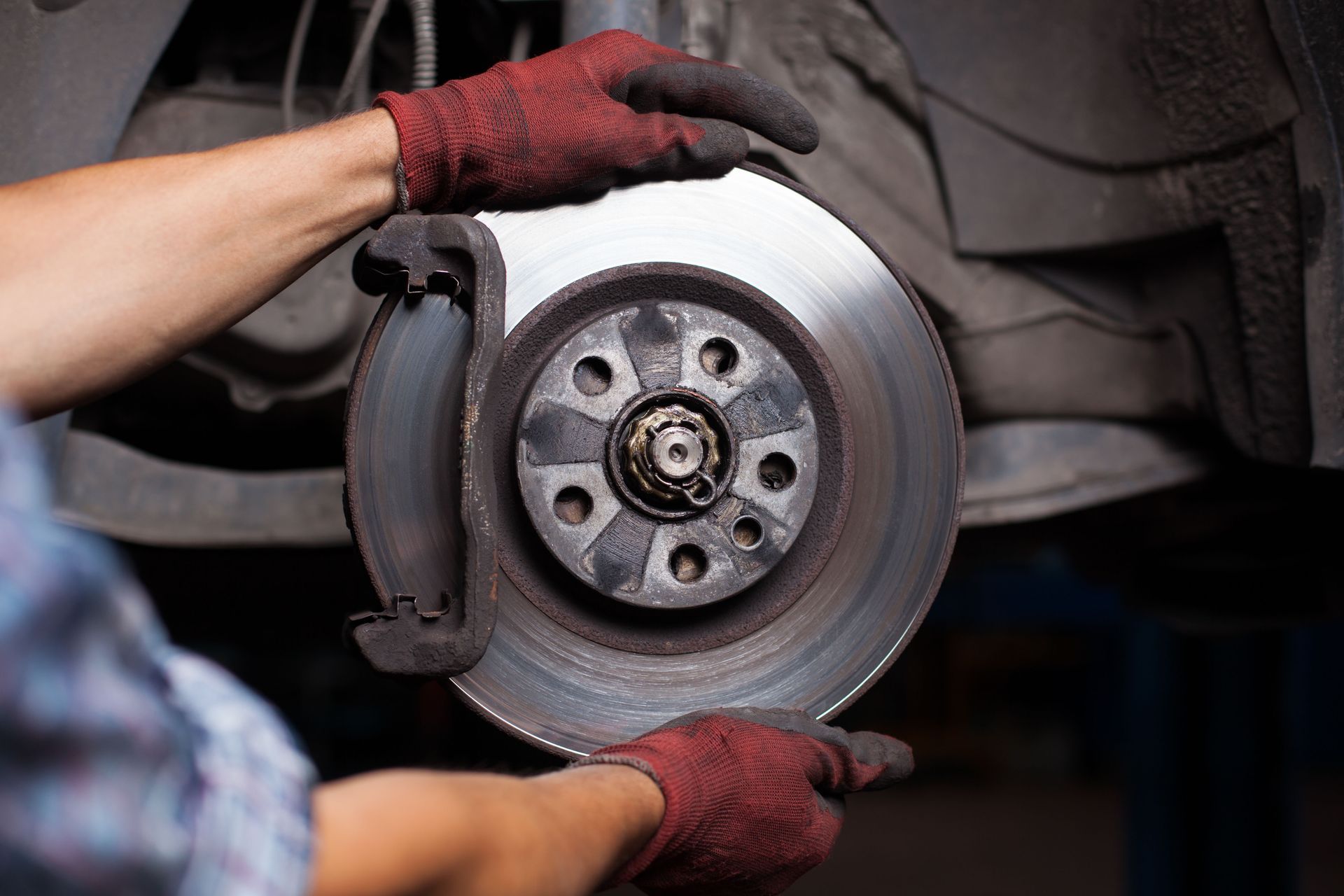
When you press the stopping pedal and hear a sharp, metallic screech, your vehicle is communicating a distinct need for intervention. This sound is often produced by a small built-in metal wear indicator that rubs against the rotor when the friction material gets dangerously thin. This built-in warning system is specifically designed to alert you before total failure occurs. Drivers should turn off the radio occasionally to check for these subtle acoustic cues.
Ignoring this high-pitched noise will quickly lead to more severe damage to your entire wheel assembly. The longer you ride on depleted pads, the faster the remaining material degrades, which compromises your ability to stop safely in emergencies. Scheduling a professional brake repair service at the first sign of this squeak prevents the problem from escalating. Timely action saves you from the headache of more extensive repairs later on.
According to Trevelers.com, it's recommended to test your brake system and inspect the pads professionally at least once a year, every 12,000 miles, or as instructed by your car’s manufacturer. Regular checkups protect your vehicle from unexpected component failure. Addressing the squeal early keeps your daily commutes smooth and predictable. Following these expert intervals keeps your car running reliably through every season.
2. Feeling Unusual Steering Wheel Vibrations
A pulsating sensation in your steering wheel or pedal when slowing down indicates that your car's stopping system is warped. This shuddering usually happens because the rotors have developed uneven surfaces from excessive heat and friction. When the pads press against an uneven rotor, the pulsations travel right up the steering column. You will notice this shaking most prominently when descending steep hills or decelerating from highway speeds.
Driving with a vibrating steering wheel compromises your control over the vehicle, especially during sudden stops on wet or uneven roads. The constant shaking also puts unnecessary stress on your suspension system and tires, accelerating wear on other expensive parts. Seeking an expert assessment pinpoints whether the rotors require machining or total replacement. Proactive diagnostics prevent these minor wobbles from ruining your entire front-end alignment.
A qualified technician can analyze the exact thickness of your rotors to determine the safest course of action. Opting for a comprehensive brake repair service corrects the underlying balance issues and restores a smooth ride. Eliminating these vibrations guarantees that your vehicle handles predictably under any driving conditions. Smooth deceleration makes for a much more comfortable and relaxed driving experience for everyone inside.
3. Experiencing a Soft or Spongy Pedal
If the stopping pedal on your vehicle feels soft, mushy, or sinks all the way to the floorboard when pressed, you're dealing with a critical hydraulic issue. A firm pedal is necessary for effective stopping power, so any change in resistance demands immediate diagnostic testing. This spongy feeling often points to air trapped in the lines or a leaking master cylinder. Any noticeable drop in fluid levels under the hood confirms this suspicion.
A loss of hydraulic pressure means your vehicle will require a much longer distance to come to a complete halt. This creates an immediate hazard on highways and in heavy stop-and-go city traffic where quick reactions are mandatory. Continuing to drive with a compromised hydraulic system risks complete pedal failure without warning. As the system loses its internal pressure, you may also notice that you have to pump the pedal repeatedly just to get the vehicle to slow down. This symptom represents an urgent situation that requires immediate professional attention.
Professional technicians have specialized equipment to flush the system, remove dangerous air pockets, and seal any fluid leaks securely. Requesting a thorough brake repair service restores the necessary hydraulic pressure to your pedal assembly. Keeping the hydraulic fluid clean and pressurized keeps the vehicle responsive to your foot movements. A firm pedal provides the precise control needed for navigating crowded city streets safely.
4. Noticing the Vehicle Pulling to One Side
When your vehicle drifts or yanks violently to the left or right while slowing down, its stopping forces are unevenly distributed. This pulling behavior typically signifies a stuck caliper, a collapsed fluid hose, or highly uneven pad wear between the wheels. One side of the vehicle is stopping effectively, while the other side glides freely. This can make keeping your car within its designated lane a constant struggle.
This uneven pulling makes steering incredibly difficult during sudden stops, potentially dragging your vehicle into oncoming traffic or off the shoulder of the road. It also causes your tires to wear out unevenly, which negatively impacts your alignment and fuel economy over time. Correcting this imbalance requires a meticulous examination of the calipers and fluid lines. Ignoring this pull can lead to severe driver fatigue from constantly fighting the steering wheel.
Certified mechanics can disassemble the sticking components, lubricate the moving parts, and replace damaged hardware to re-establish perfect balance. Booking a targeted brake repair service resolves the tracking issues so you can maintain a straight path while decelerating. Symmetrical stopping power is vital for maintaining vehicle stability in tight spots. Balanced performance allows you to stop with complete confidence during unexpected traffic slowdowns.
5. Detecting Harsh Grinding and Metallic Scraper Sounds
Hearing a loud, harsh grinding noise means your friction material is completely gone, and you are experiencing metal-on-metal contact. This occurs when the bare metal backing plate of the pad clamps directly onto the iron rotor. This sound is a clear indicator that severe damage is actively happening every single time you slow down. You can often feel this harsh grinding sensation directly through the floorboards of the vehicle.
This metal-on-metal friction creates extreme heat that can easily crack the rotors or cause the calipers to seize up entirely. The stopping distance of your vehicle increases dramatically in this state, putting you and your passengers in immediate jeopardy. Waiting even one more day to address a grinding sound can turn a simple pad replacement into a massive overhaul. This level of neglect leads directly to vehicle downtime and preventable stress.
Trained experts can evaluate the extensive damage and replace the ruined rotors, calipers, and pads with precision. Investing in a prompt brake repair service eliminates the destructive friction and restores the integrity of your stopping system. Professional replacement parts restore the quiet, effective operation your vehicle needs. Getting these worn components replaced immediately gets you back on the road with peace of mind.
Paying attention to these warning signs keeps your vehicle operating safely and prevents minor wear from turning into a major mechanical emergency. Whenever you notice unusual noises, vibrations, or changes in pedal resistance, scheduling a professional brake repair service is the best path forward. Consistent upkeep is the most effective way to protect your automotive investment over the long haul. Contact TLS Auto Specialist today to schedule your next maintenance inspection and keep your vehicle operating smoothly on every journey.

Share On: