
Essential Question About Brake Pads
Brake pads are one of the most important safety components on a vehicle. Every time the brake pedal is pressed, brake pads create the friction needed to slow the wheels and bring the vehicle to a stop. Because they wear down gradually, many drivers wonder: how often should brake pads be replaced?
In general, we recommend brake pads be replaced every 30,000 to 70,000 miles, depending on driving habits, vehicle type, road conditions, and the quality of the brake pads. Some vehicles may need new pads sooner, while others can go longer before replacement. The key is recognizing signs of wear and scheduling brake repair before small problems become serious safety risks.
What Do Brake Pads Do?
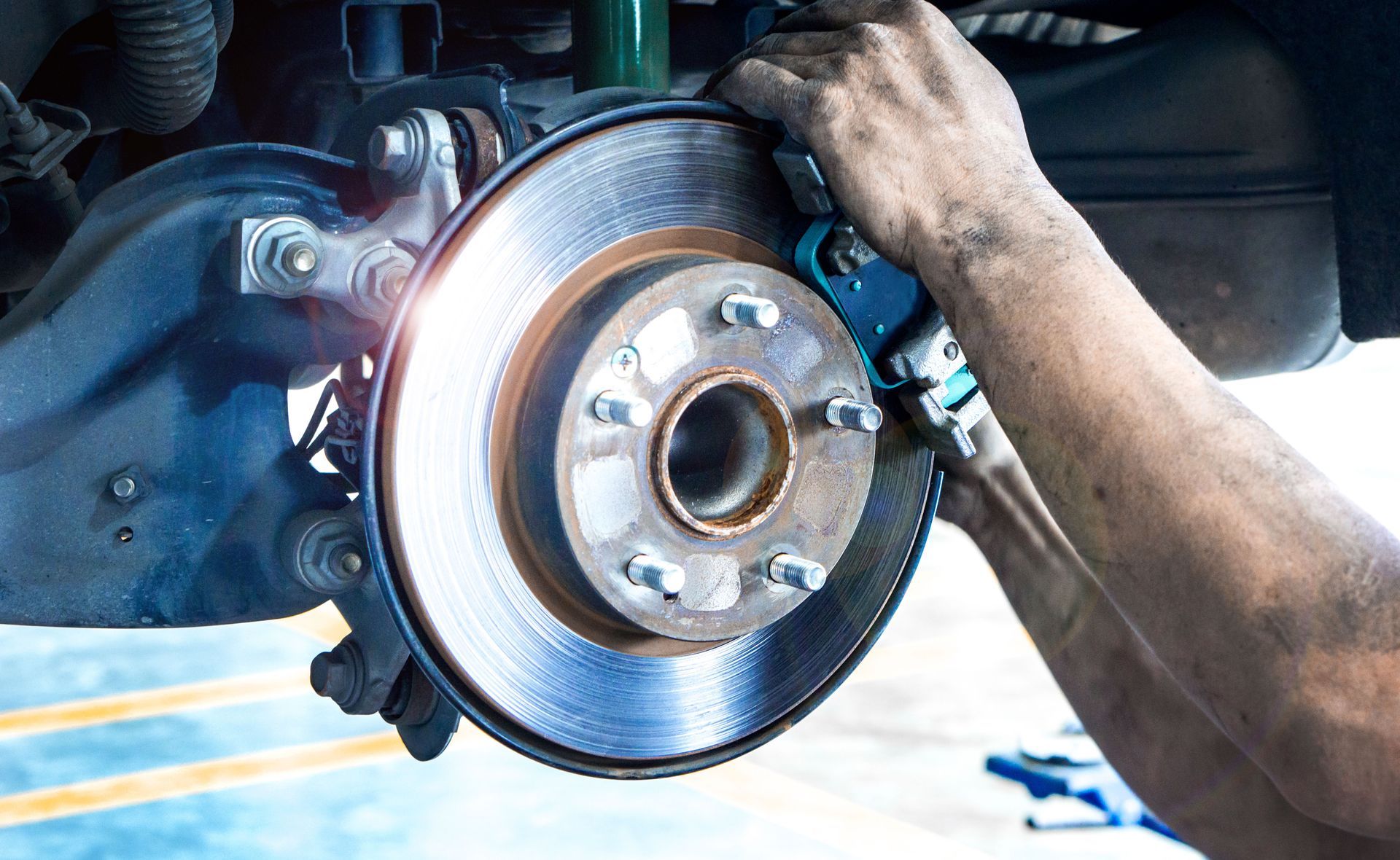
Brake pads are part of a vehicle’s disc braking system. When the brake pedal is pressed, hydraulic pressure pushes the brake caliper against the rotor. The brake pads sit inside the caliper and press against the rotor to create friction. This friction slows the rotation of the wheels and helps stop the vehicle.
Because brake pads are designed to absorb friction and heat, they naturally wear down over time. Once they become too thin, they cannot perform properly. Worn brake pads can increase stopping distance, damage other braking parts, and make a vehicle unsafe to drive. That is why routine inspections are so important.
How Often Should Brake Pads Be Replaced?
In our experience, most brake pads need replacement somewhere between 30,000 and 70,000 miles. However, this range can vary widely. A driver who spends most of the time on highways may get more life out of brake pads because braking happens less often. A driver in stop-and-go traffic may wear out pads much faster.
City driving, frequent short trips, towing, mountain roads, aggressive braking, and carrying heavy loads can all reduce brake pad life. On the other hand, smooth driving, gradual stops, and regular maintenance can help pads last longer.
The best approach is not to rely on mileage alone. Instead, brakes should be inspected regularly, and warning signs should be addressed before repairs become more serious.
Why Brake Pads Need to Be Replaced
One of the most common signs of worn brake pads is a squealing or screeching sound when braking occurs. Many brake pads are built with wear indicators that make a high-pitched noise when the pads are getting thin. This sound is designed to provide a warning before the pads wear down completely.
Another sign is grinding. If grinding occurs during braking, the pads may be worn down to the metal backing. This can damage the rotors and lead to a more expensive repair.
Drivers may also notice vibration, pulsing, or shaking when the brake pedal is pressed. This can happen when rotors become warped or uneven. A soft or spongy brake pedal, longer stopping distance, or a vehicle pulling to one side can also indicate brake system problems.
A dashboard brake warning light should never be ignored. While it may not always mean the pads are worn, it does indicate that the braking system requires attention.
What Are Good Driving Habits?
Driving habits have a major impact on brake pad lifespan. Hard braking creates more heat and friction, which wears pads down faster. Tailgating can also cause frequent sudden stops, placing additional stress on the braking system.
Drivers who coast when possible, maintain a safe following distance, and brake gradually typically get more mileage from brake pads. Smooth driving not only benefits the braking system but can also improve fuel efficiency and reduce wear on tires and suspension components.
If a daily commute includes heavy traffic, steep hills, or frequent stopping, more frequent inspections may be necessary. In these situations, scheduling brake repair sooner can help prevent damage to rotors, calipers, and other braking system components.
What Are the Differences Between Front and Rear Brake Pad Wear?
Front brake pads often wear out faster than rear brake pads. This happens because most vehicles shift weight forward when braking. The front brakes handle more of the stopping force, so they usually experience more friction and heat.
However, wear patterns vary by vehicle. Some modern braking systems distribute force more evenly, while certain vehicles may wear rear pads faster depending on design and driving conditions.
Because front and rear pads may not wear at the same rate, all four wheels should be inspected rather than assuming the entire set needs replacement at once. A qualified technician can measure pad thickness and recommend the right brake repair based on the condition of each component.
What Happens If Brake Pad Replacement Is Delayed?
Delaying brake pad replacement can lead to serious problems. Once brake pads become too thin, they lose the ability to stop the vehicle effectively. This can increase stopping distance and make emergency braking more dangerous.
Worn pads can also damage the rotors. When the metal backing of the pad contacts the rotor, it can create deep grooves and uneven surfaces. Instead of simply replacing pads, rotor resurfacing or replacement may be needed, which increases the cost of brake repair.
Ignoring brake problems can also put stress on calipers, brake fluid, and other parts of the system. What starts as a simple maintenance task can turn into a larger repair if it is not handled promptly.
How Does Brake Pad Material Affect Lifespan?
Brake pads come in different materials, and each type has its advantages. Organic brake pads are often quiet and affordable, but they may wear faster. Semi-metallic brake pads are durable and handle heat well, but they can be noisier and may create more brake dust. Ceramic brake pads are popular because they are quiet, long-lasting, and produce less dust, though they usually cost more.
The best brake pad for a vehicle depends on driving style, budget, and manufacturer recommendations. During brake repair, a technician can recommend pads that match the vehicle’s needs and typical driving conditions.
How Often Should Brakes Be Inspected?
Even when brakes feel normal, we suggest they be inspected at least once a year. Many drivers also have brake pads checked during tire rotations or oil changes. For vehicles driven in demanding conditions, our experts suggest inspections every six months.
A brake inspection usually includes checking pad thickness, rotor condition, brake fluid, calipers, brake lines, and overall system performance. Catching wear early can help prevent unexpected problems and expensive repairs.
According to Wifitalents, brake repairs make up 22% of mechanic shop repairs. That statistic shows just how common brake repair is and why routine brake maintenance should be part of every vehicle care plan.
Can Brake Pad Life Be Extended?
Brake pad lifespan can be extended through better driving habits. Sudden stops should be avoided whenever possible. Maintaining adequate following distance allows the vehicle to slow down gradually rather than requiring hard braking. On downhill roads, excessive brake use should be minimized by using lower gears when appropriate to help control speed.
Proper vehicle maintenance also plays an important role. Tires, suspension components, and braking system parts work together to ensure safe stopping performance. If one component is worn or out of balance, braking efficiency may be affected.
Using quality brake pads can also make a difference. Lower-cost pads may reduce upfront expenses, but they may wear out faster or generate more noise and brake dust. Investing in higher-quality components during professional service can improve braking performance and long-term value.
When Should Service Be Scheduled?
Service should be scheduled as soon as squealing, grinding, vibration, pulling, reduced braking power, or a brake warning light appears. An inspection should also be scheduled when the replacement history of the brake pads is unknown.
The safest approach is to monitor for warning signs, schedule regular inspections, and replace brake pads before they become excessively worn. Addressing braking issues early can help prevent larger repairs, improve stopping performance, and enhance overall vehicle safety.
If brakes are making noise, feel different during operation, or require longer distances to stop, service should not be delayed. A professional brake inspection can determine whether new brake pads or another type of brake repair is needed. Contact the reputable experts at TLS Auto Specialist for service that prioritizes safety and reliability.

Share On: