
Toyota Repair Services 101: What to Know
Maintaining the health of your vehicle is more important than ever. This guide explores the essentials of Toyota repair services, providing you with the knowledge to make informed decisions and ensure your vehicle remains in top condition. Whether you are a first-time Toyota owner or a seasoned driver, having a clear grasp of standard maintenance practices keeps your automobile operating smoothly for years. Owning a Toyota, a brand widely known for its exceptional reliability and long-term durability, comes with the ongoing responsibility of regular care and attention. Through these detailed insights, Toyota owners gain the information needed for optimal vehicle performance, safety, and overall longevity on the road.
1. Understanding Toyota's Maintenance Schedule
Regular vehicle care is crucial for ensuring the longevity and performance expected from a trusted brand. Following scheduled maintenance guidelines reduces the risk of unexpected breakdowns while enhancing the eventual resale value of your vehicle. Routine procedures like oil changes, brake inspections, and tire rotations play a vital role in keeping your car running efficiently over time. Ignoring these basic services can quickly lead to compounded mechanical issues, ultimately reducing overall driving safety and efficiency.
Understanding recommended service intervals is key to properly caring for your car. According to Toyota Direct, most Toyota models require an oil change every 5,000 to 7,500 miles under normal driving conditions. These timing intervals may vary based on your specific model, personal driving habits, and regional environmental factors. Staying on top of these routine checks preemptively addresses minor wear and tear, significantly lowering the likelihood that larger, highly expensive mechanical problems will develop later on.
The owner's manual provided with your vehicle serves as an invaluable reference tool for every driver. It outlines necessary service intervals, specific liquid capacities, and procedure descriptions suited to your precise model. Using mobile application tracking tools alongside your manual makes organizing upcoming appointments simple and efficient. Adapting your maintenance routine for seasonal shifts, such as preparing tires and fluids for winter or summer weather, further protects your engine from unnecessary stress and costly breakdowns.
2. Navigating Common Repairs and Diagnostic Solutions
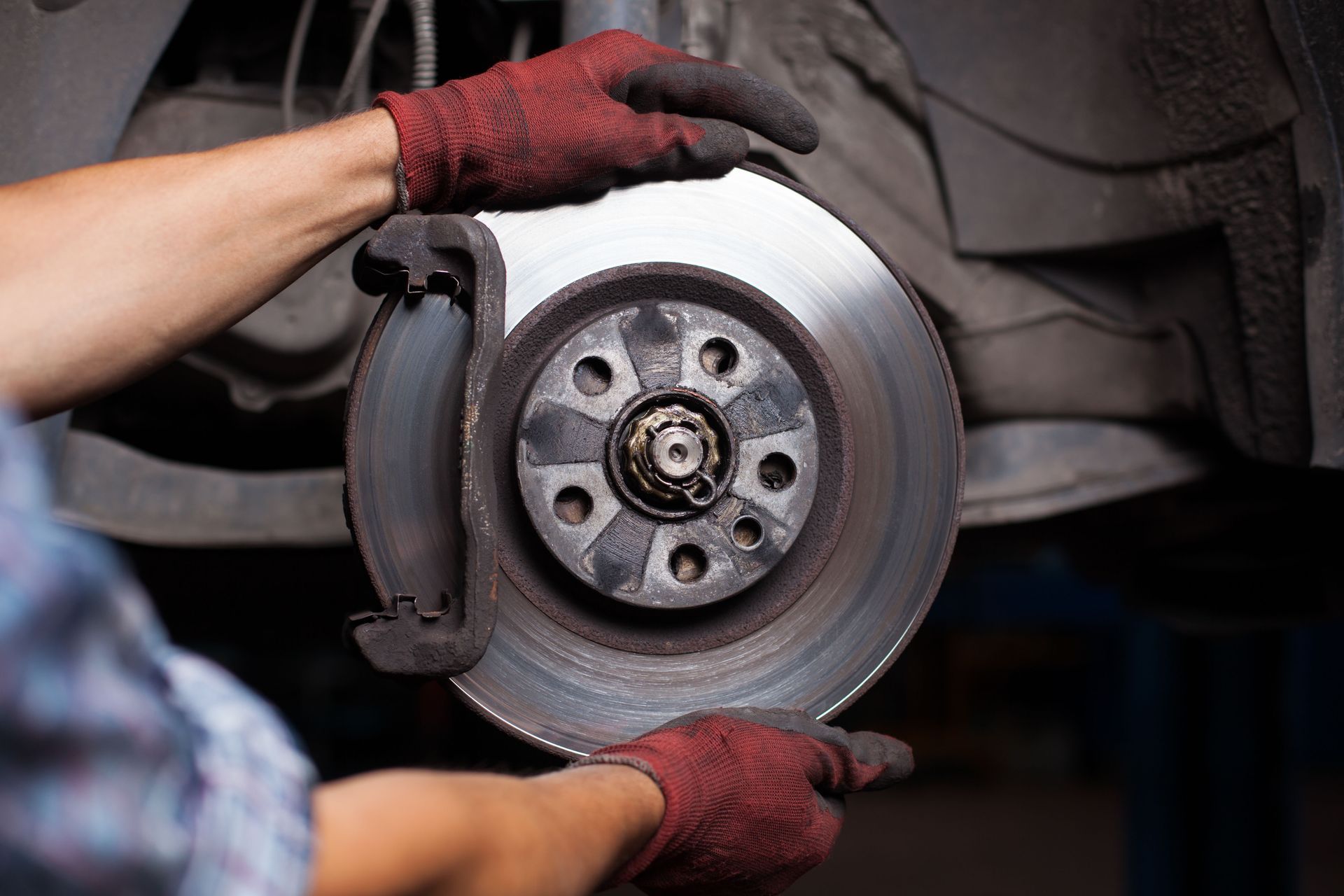
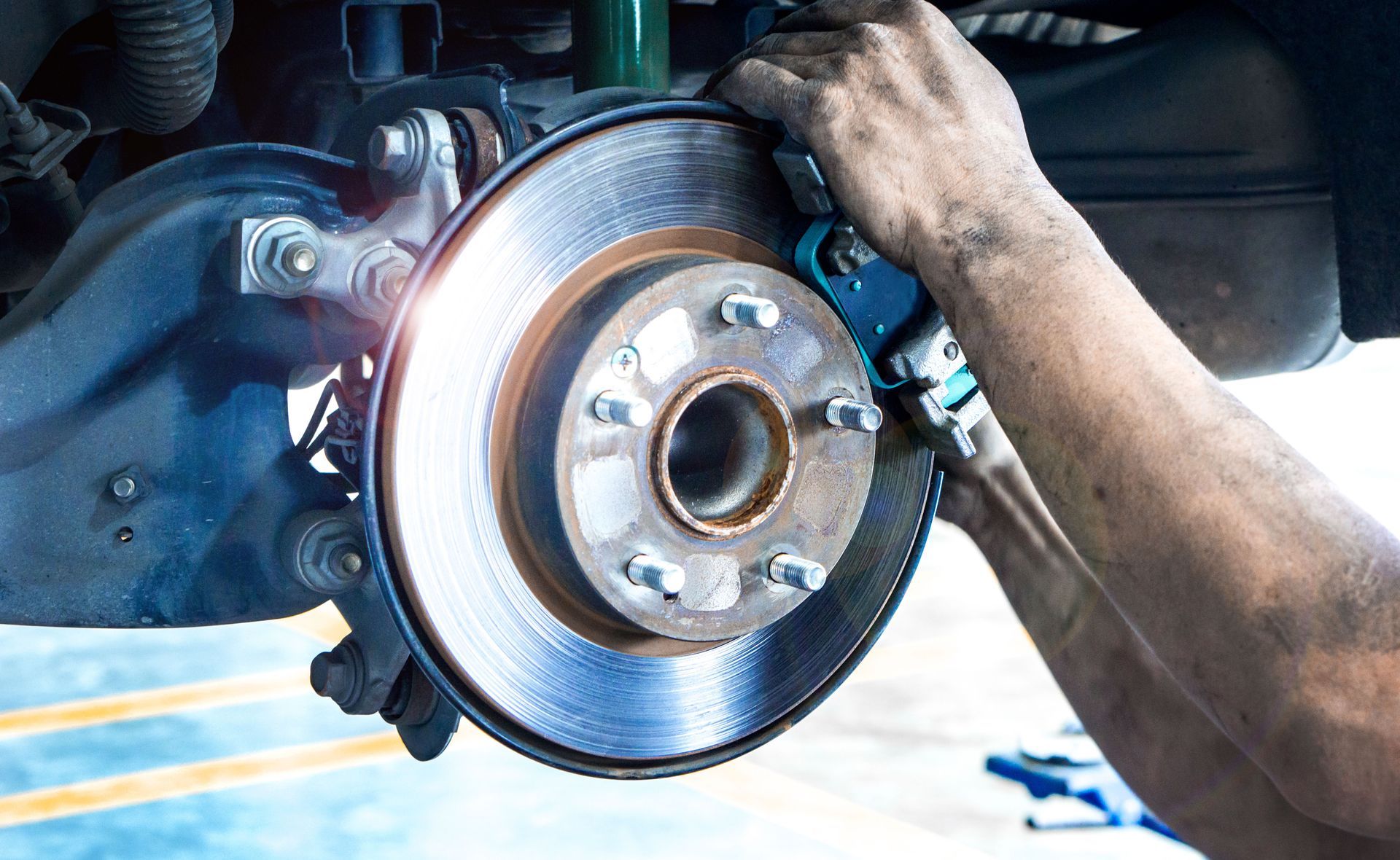
Brake system issues are among the most common maintenance concerns for vehicle owners and generally stem from standard daily wear. Squealing sounds, grinding noises, or a soft brake pedal indicate that your stopping system requires immediate professional evaluation. Routine inspections help mechanics spot worn pads and rotors early, ensuring responsive stopping power and preventing hazardous road situations. Addressing minor braking irregularities promptly protects both your wallet and your safety.
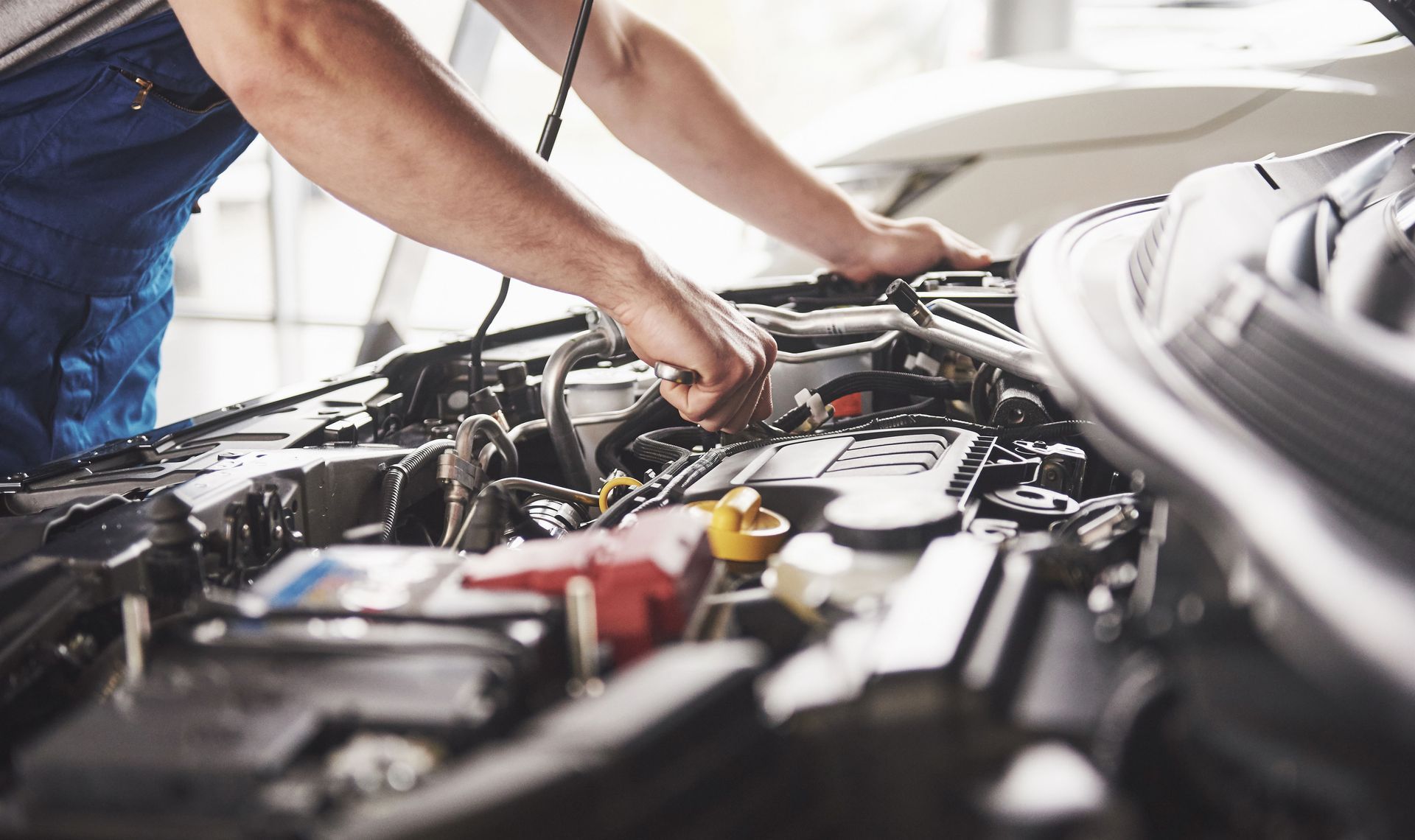
Engine and transmission systems require consistent monitoring to ensure seamless power delivery and responsive shifting. Performance degradation often stems from clogged air filters, old spark plugs, or degraded engine oil. Similarly, transmission problems frequently manifest as delayed gear engagement, slipping, or fluid leaks. Timely inspections and fluid top-offs prevent severe internal component damage, ensuring your drivetrain retains its factory performance levels throughout its operational life.
Electrical faults and exhaust system issues also require swift, expert intervention to avoid larger system failures. Modern vehicles rely on complex wiring networks powering everything from safety sensors to cabin climate controls. Warning lights on your dashboard often point to weak batteries, failing alternators, or blown fuses. Meanwhile, a healthy exhaust system controls vehicle emissions and optimizes fuel consumption. Promptly fixing exhaust leaks or electrical glitches preserves overall fuel economy and limits harmful environmental impact.
3. Selecting Professional Toyota Repair Services
When selecting a shop for professional Toyota repair services, verifying that mechanics hold current industry certifications is paramount. Certified technicians undergo specialized training to handle brand-specific diagnostic tools, advanced electronics, and engine configurations. Their focused knowledge dramatically minimizes the risk of misdiagnosis, ensuring your car gets the exact care required. Choosing qualified professionals leads to superior repair outcomes, better vehicle reliability, and lower long-term maintenance expenses.
Evaluating customer reviews and comparing service options offers clear insight into a repair shop's transparency and quality standards. Look for service centers with consistent praise regarding clear communication, fair pricing, timely turnarounds, and excellent customer service. It is also beneficial to confirm whether a facility honors existing vehicle warranties before booking work. A reputable repair shop guides you through warranty claims transparently, ensuring you never pay out-of-pocket for eligible component replacements.
Top-tier repair facilities distinguish themselves through outstanding customer service and honest practices. A trustworthy team explains needed repairs clearly, provides written estimates, and prioritizes urgent safety concerns over optional upgrades. Establishing a long-term relationship with a reliable repair shop gives you continuous peace of mind. Knowing skilled mechanics are overseeing your automobile ensures every maintenance task is completed to rigorous manufacturer standards.
4. Demanding Genuine OEM Replacement Parts
Original Equipment Manufacturer (OEM) components are engineered and tested specifically for your automobile model, guaranteeing a flawless fit and dependable performance. In contrast, generic aftermarket options are built for broad compatibility and may fail to match strict factory tolerances. While non-genuine components often carry lower upfront price tags, their variable quality can compromise safety, diminish vehicle performance, and cause premature wear on surrounding engine parts over time.
Investing in authentic factory components offers clear long-term financial and operational benefits. Genuine parts undergo rigorous quality control testing to ensure optimal durability under extreme driving conditions. Furthermore, factory components typically come backed by comprehensive manufacturer warranties. Choosing genuine replacements protects your vehicle against unexpected mechanical failures, helps retain its resale value, and ensures every system operates exactly as the original engineers intended.
Purchasing authentic components is easy when working through verified dealerships and authorized service centers. Utilizing non-genuine components can sometimes void your standing vehicle warranty, leaving you financially responsible for subsequent damage. Always consult with certified service advisors to source correct part numbers for your vehicle. Prioritizing authentic components safeguards your automobile's mechanical integrity, giving you full confidence every time you hit the road.
5. Maximizing Overall Vehicle Longevity and Performance
Extending your car's lifespan requires a combination of structured professional check-ups and mindful daily driving habits. Regular multi-point inspections catch minor belt wear, minor fluid seepage, and suspension looseness before they transform into major mechanical failures. Additionally, practicing smooth acceleration, maintaining gentle braking habits, and obeying posted speed limits reduces unnecessary strain on key engine and drivetrain components, maximizing overall fuel efficiency.
Proper fluid maintenance and vigilant tire care form the foundation of long-term vehicle reliability. Engine oil, coolant, transmission fluid, and power steering fluid must be replaced at regular intervals to prevent internal corrosion and overheating. Simultaneously, keeping tires properly inflated, rotated, and aligned ensures balanced tread wear and responsive handling. These straightforward maintenance habits protect your suspension system while delivering a smooth, comfortable ride on every journey.
Maintaining organized repair records creates a clear historical log of your automobile's care over time. Retaining receipts, service dates, and component replacement details makes diagnosing future issues far easier for technicians. Furthermore, a fully documented service history significantly boosts market value when you decide to sell or trade in your vehicle. Consistent upkeep reflects true ownership dedication and ensures your car remains safe, efficient, and enjoyable to drive.
Maintaining optimal vehicle performance is an ongoing responsibility that requires consistency, knowledge, and high-quality care. By prioritizing routine inspections, demanding genuine replacement parts, and relying on qualified technicians for complex jobs, you guarantee your automobile stays dependable for years to come. Staying proactive with maintenance protects your investment while delivering total peace of mind on every trip. For more information about the services that we offer, reach out to our incredible team at TLS Auto Specialist today!






Share On: